How 3DX Builders Created Worlds Without Tools
Long before the World Editor defined what it means to build in 3DX, players were already constructing spaces of their own. They did it without grids, without scaling tools, and without anything resembling a proper editor. What they had instead was far more limited and, in many ways, far more demanding.
In those early days, building wasn’t a feature. It was an improvisation.
The Apartment Era: Creating Space from Almost Nothing
At the beginning, players didn’t build worlds so much as decorate them. Each player had access to two small, pre-made apartments. These flats were enclosed, modest in size, and never intended to be expanded beyond their walls.
Only a small selection of objects was available, mostly furniture. These could be dragged into place and rotated, but there was no precision control. Alignment was entirely manual. There was no terrain to shape, no structural pieces to assemble, and no system designed for construction. Players could customize wall and floor textures, but the geometry of the apartments themselves could not be altered. Yet even within those limits, something unexpected began to happen: players started to experiment.
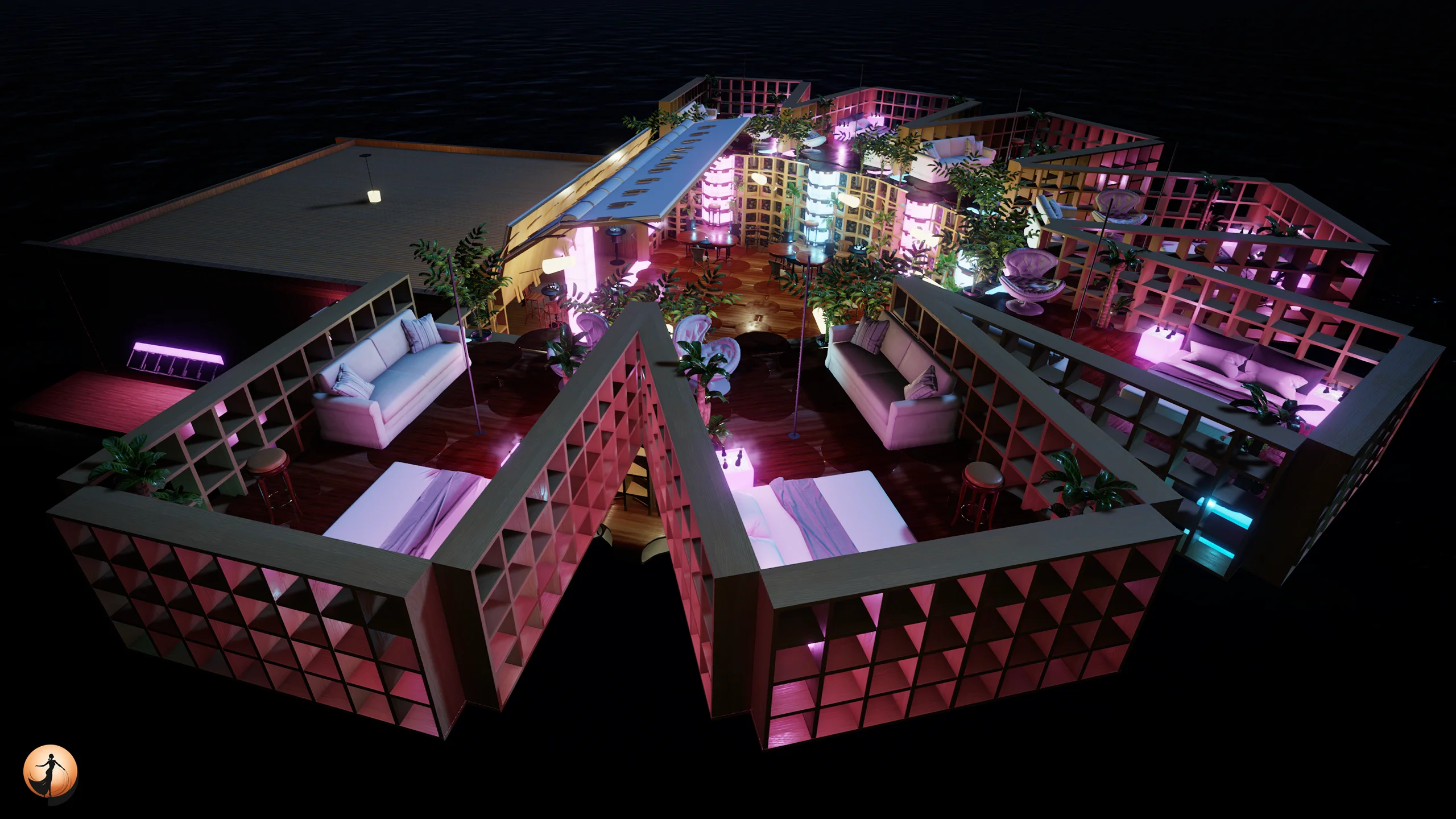
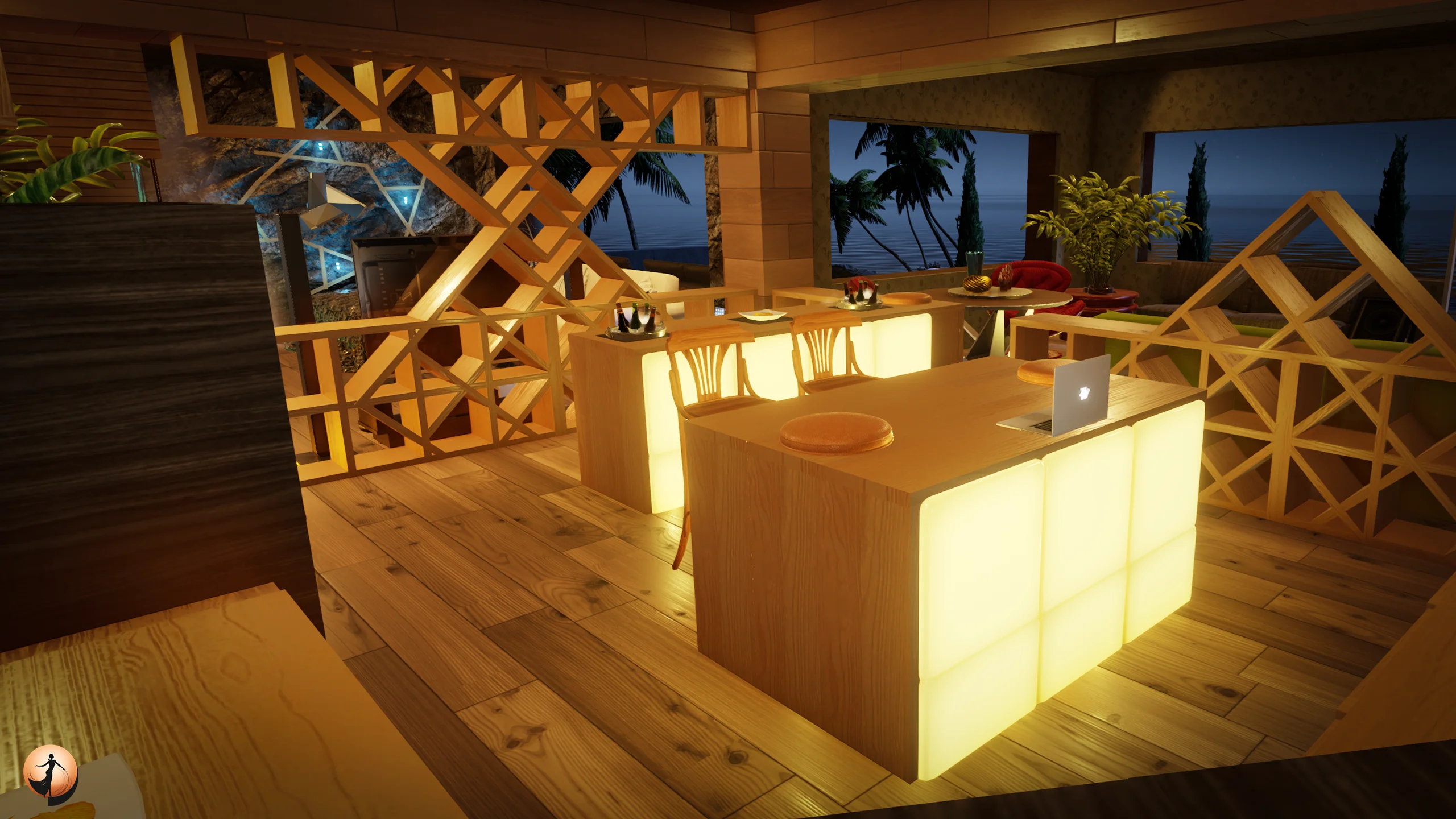
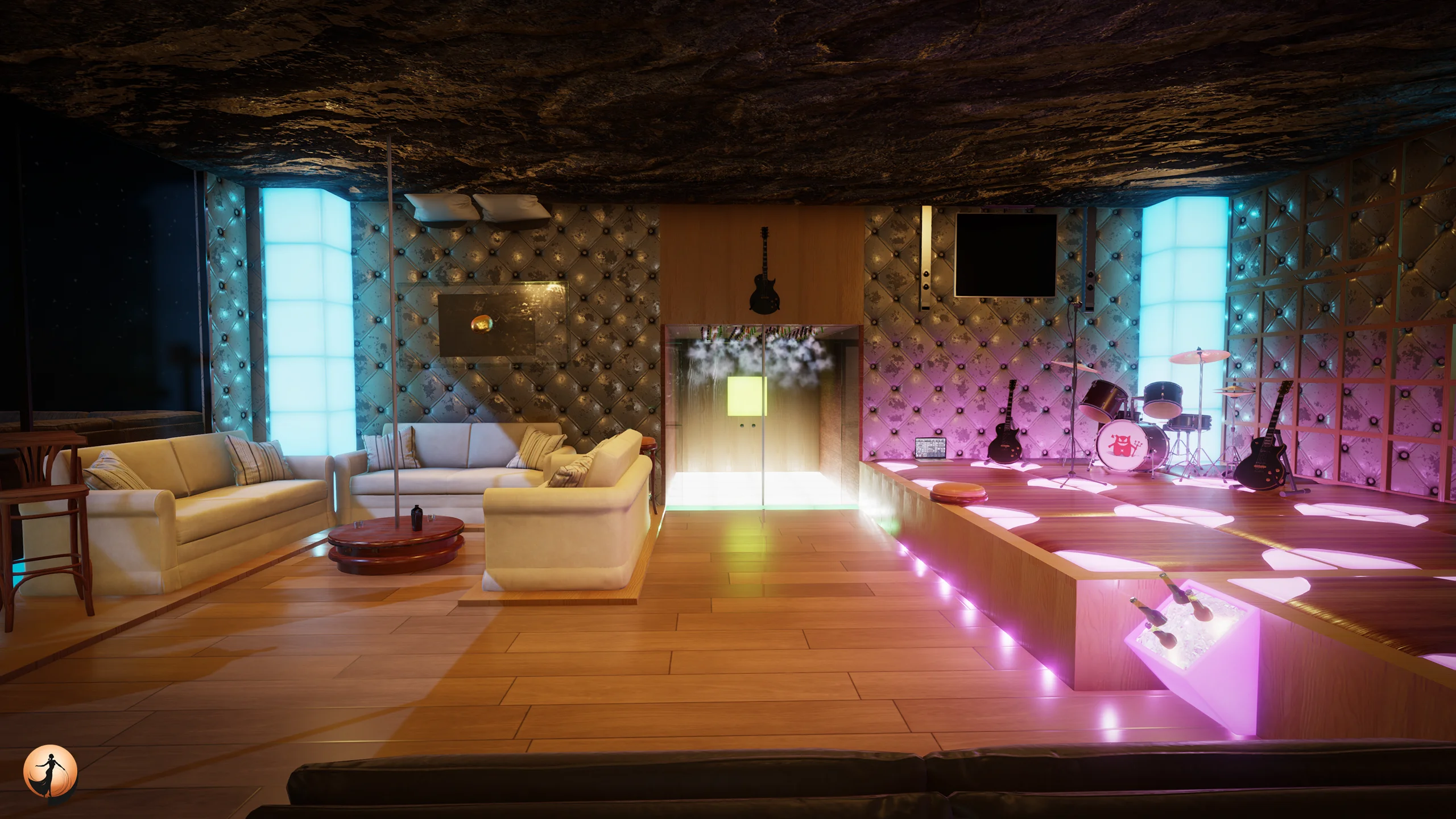
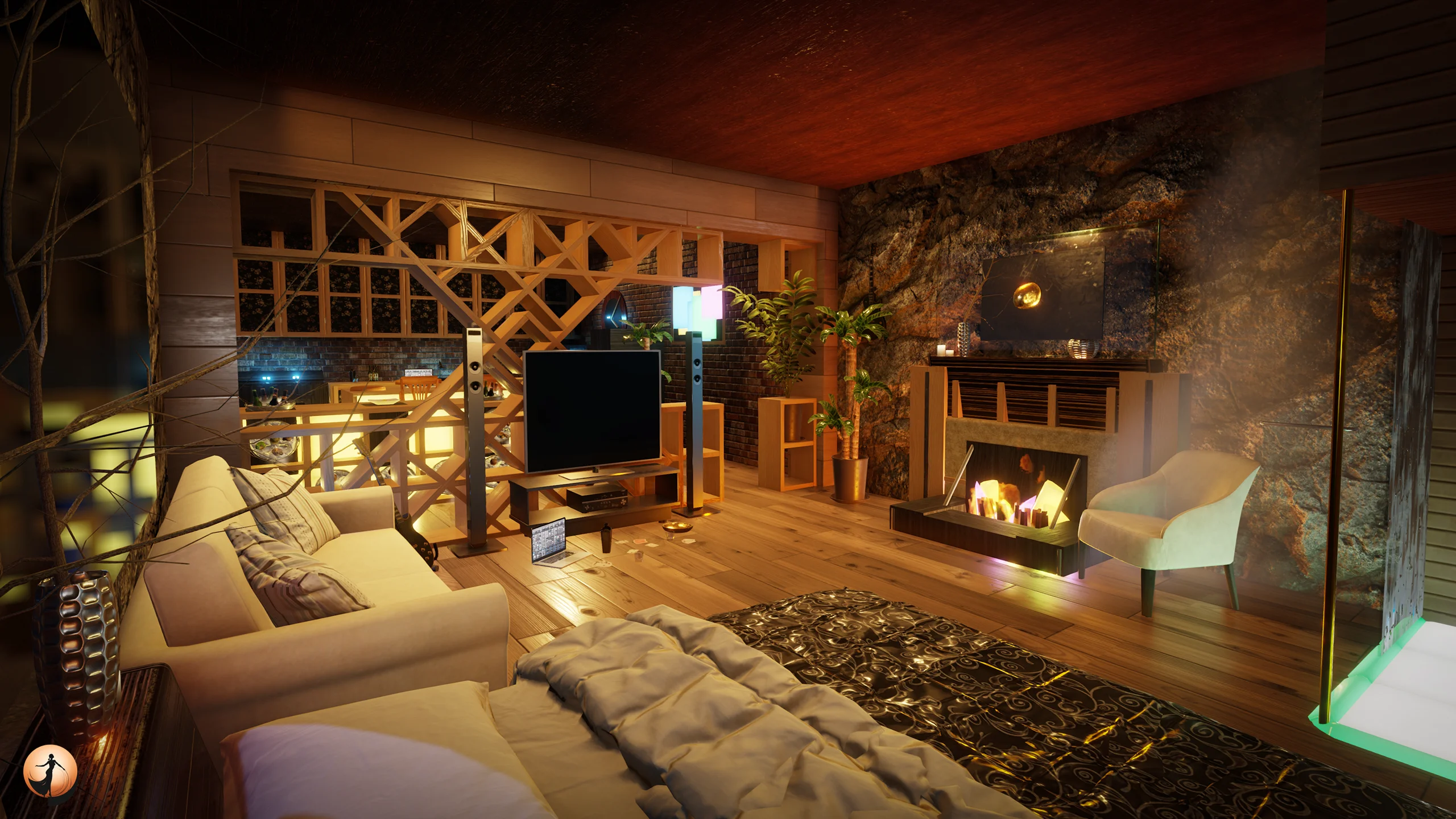
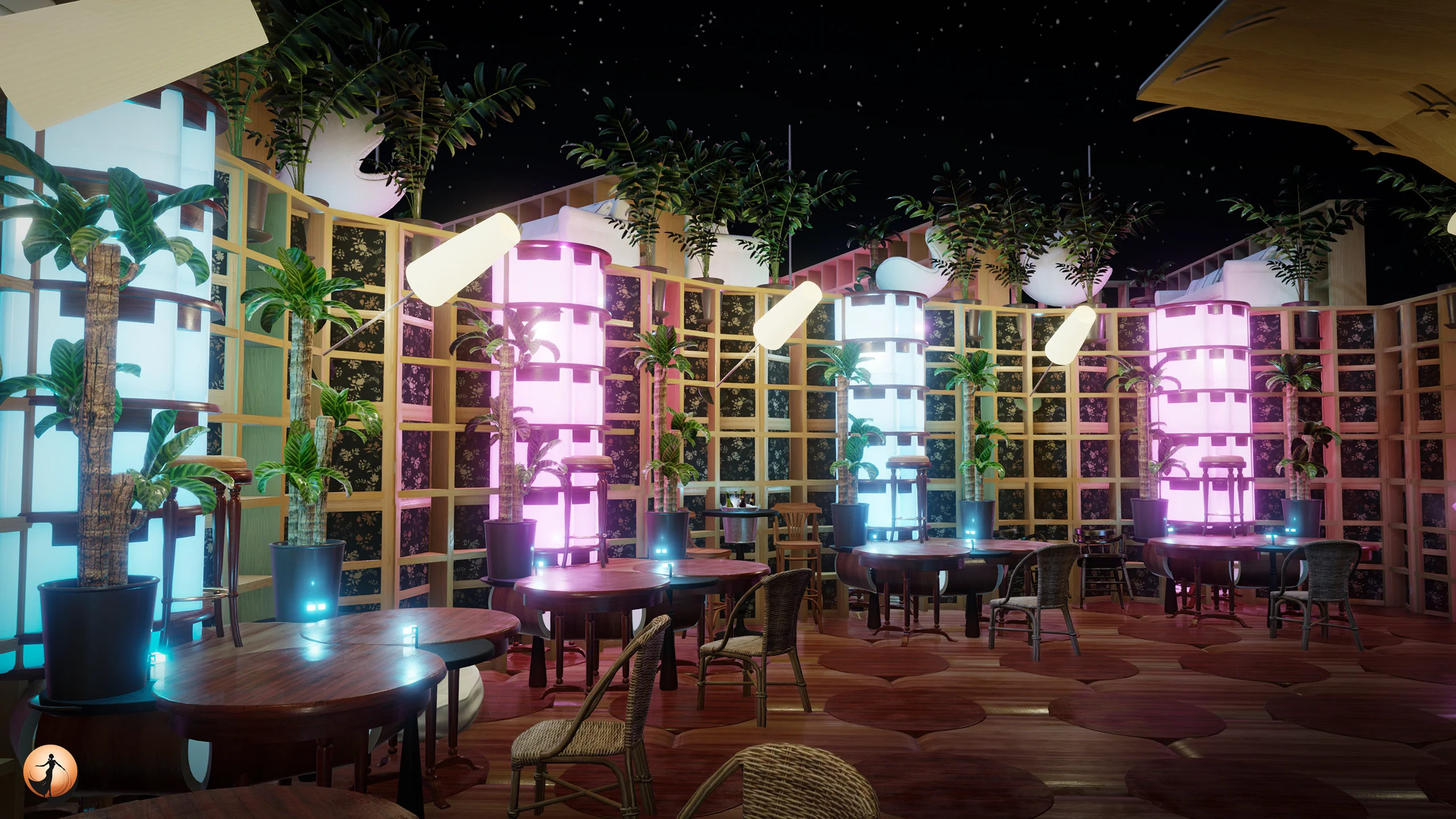
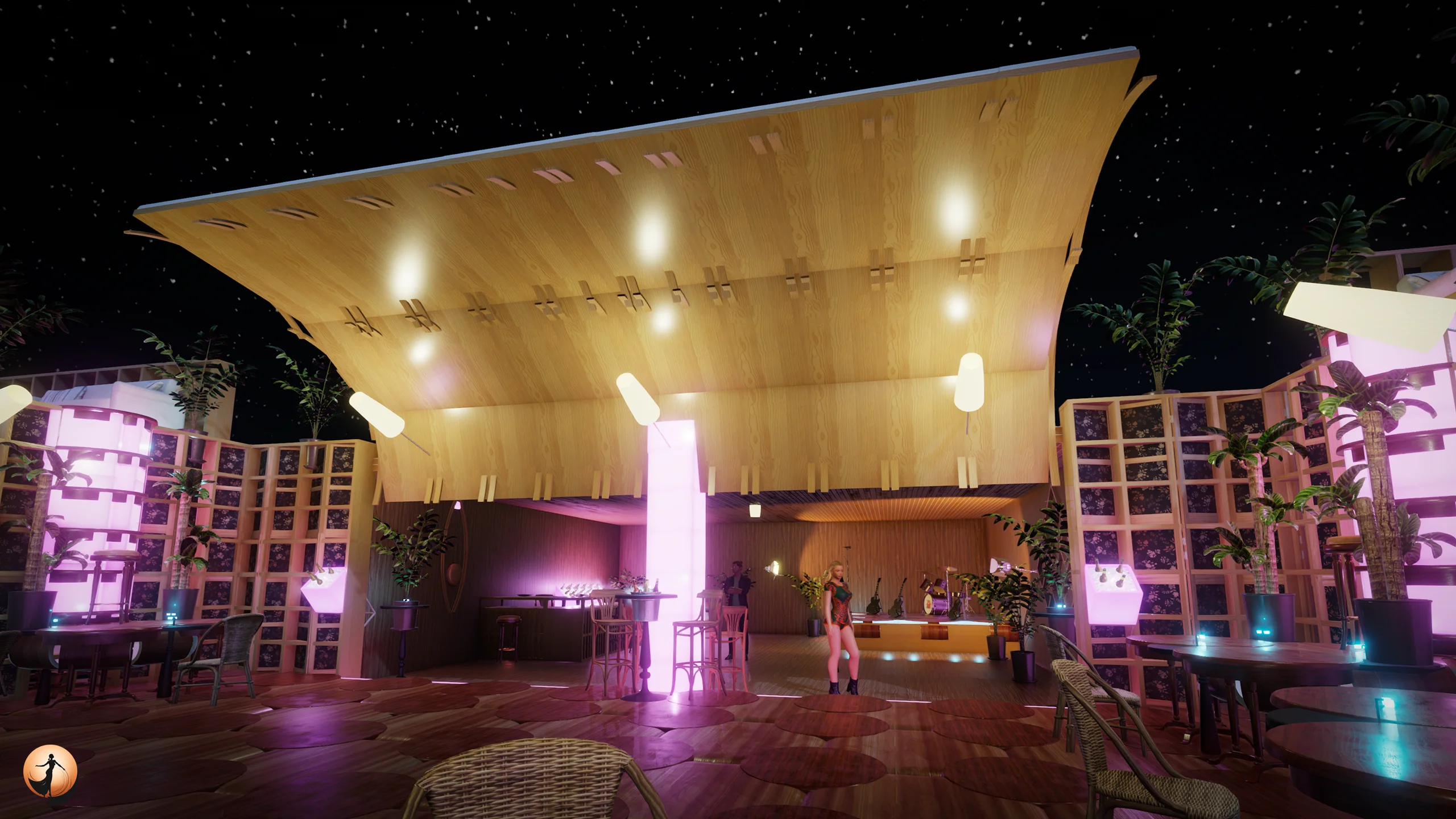
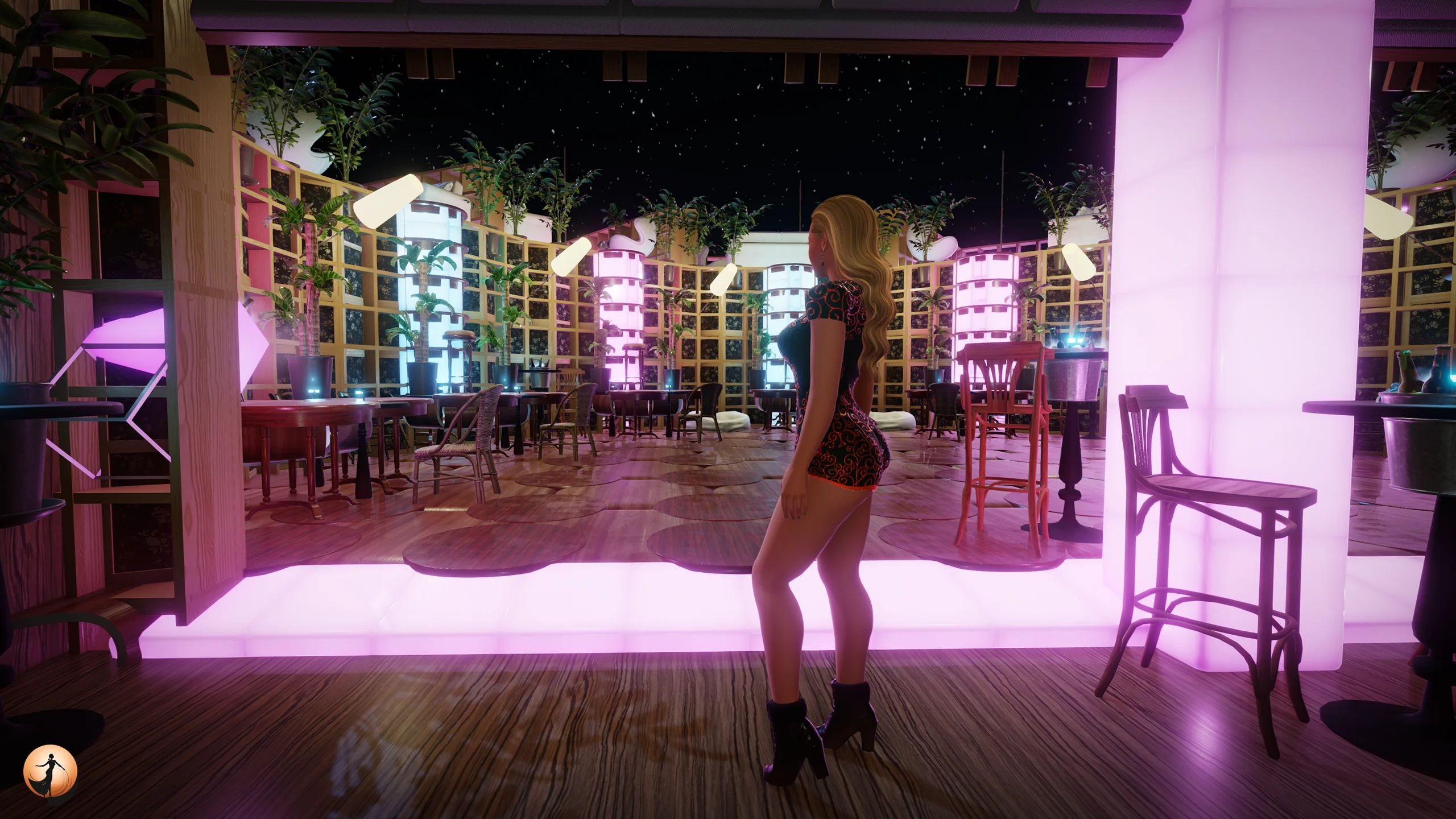
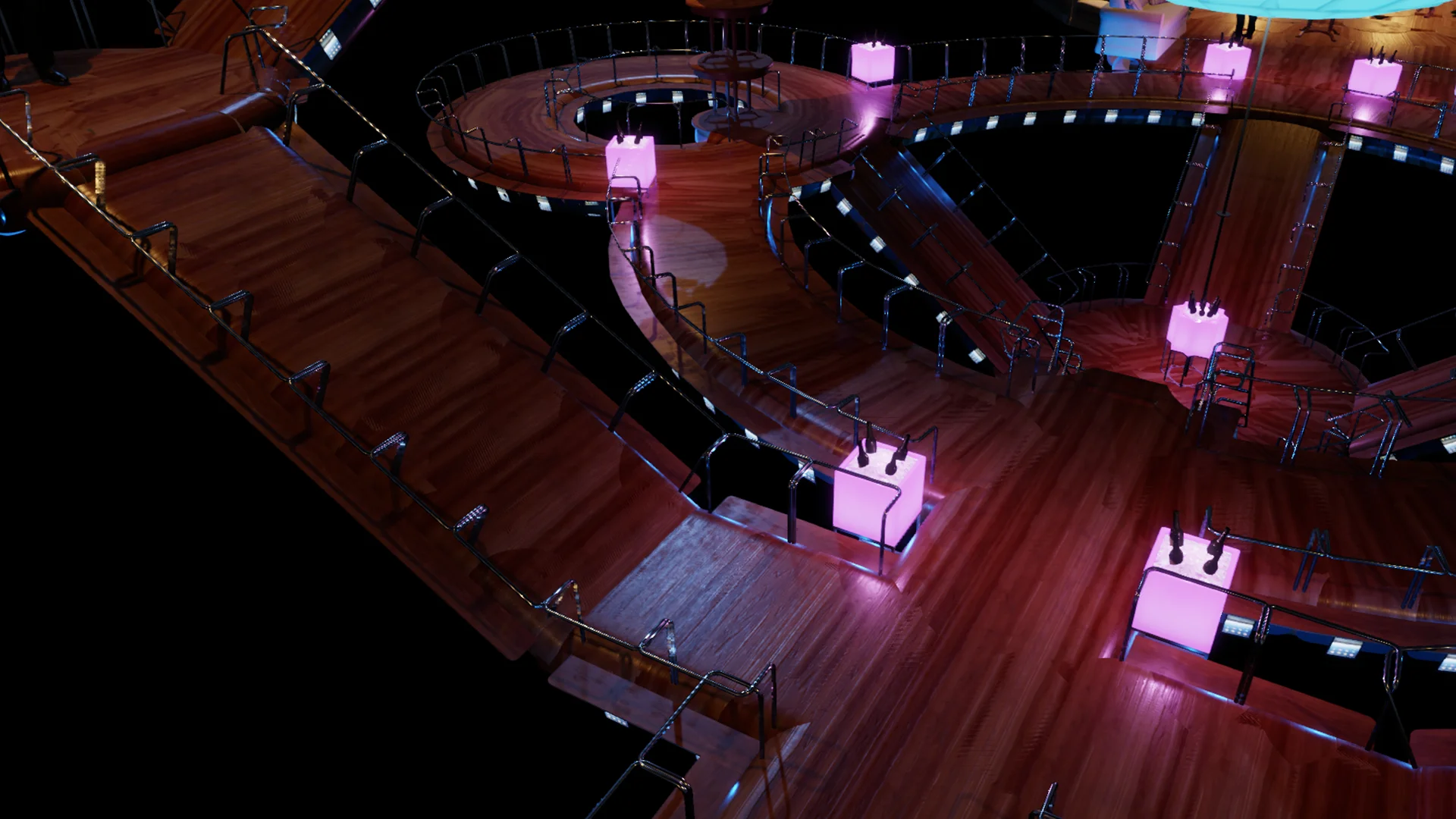
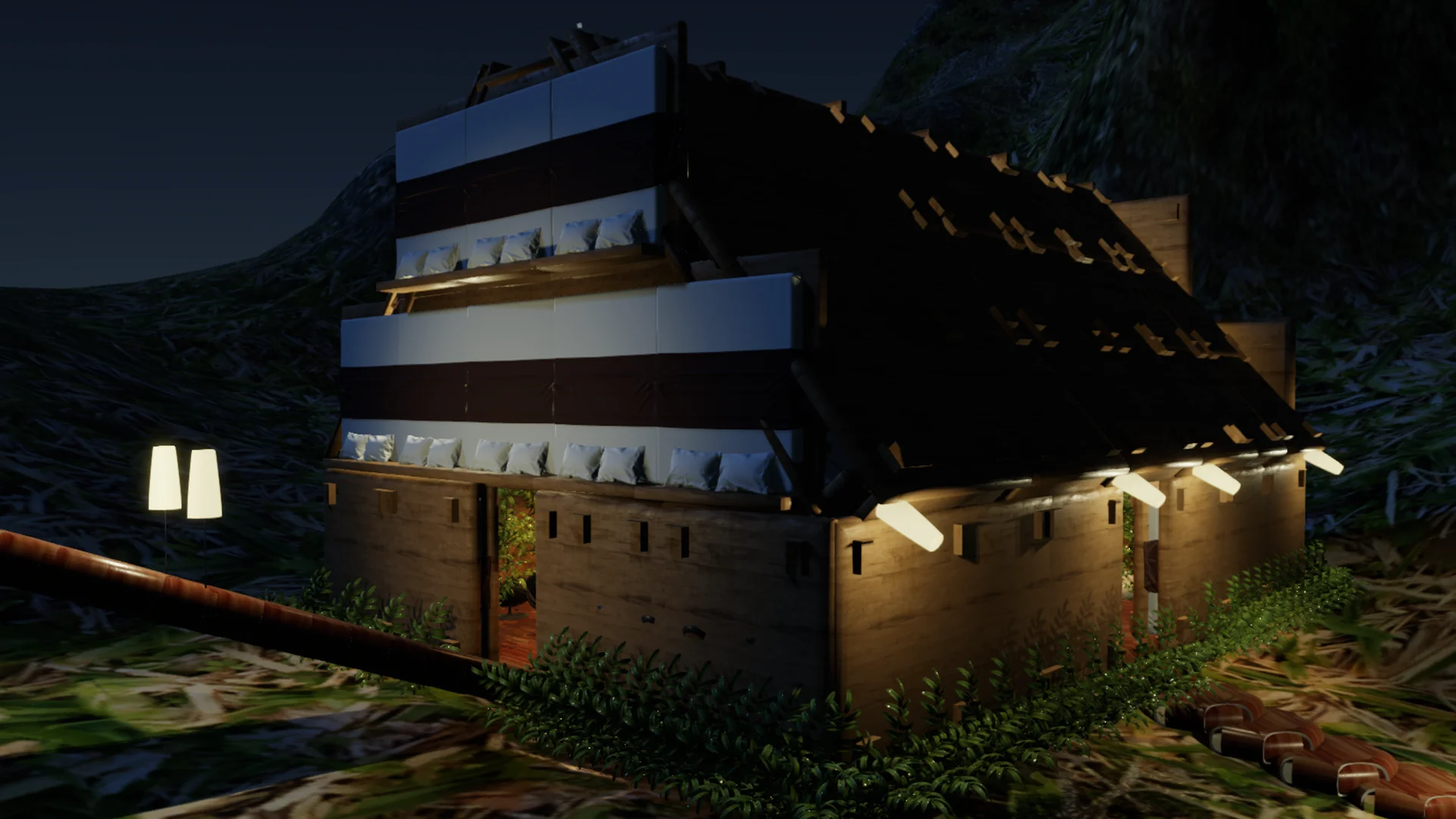
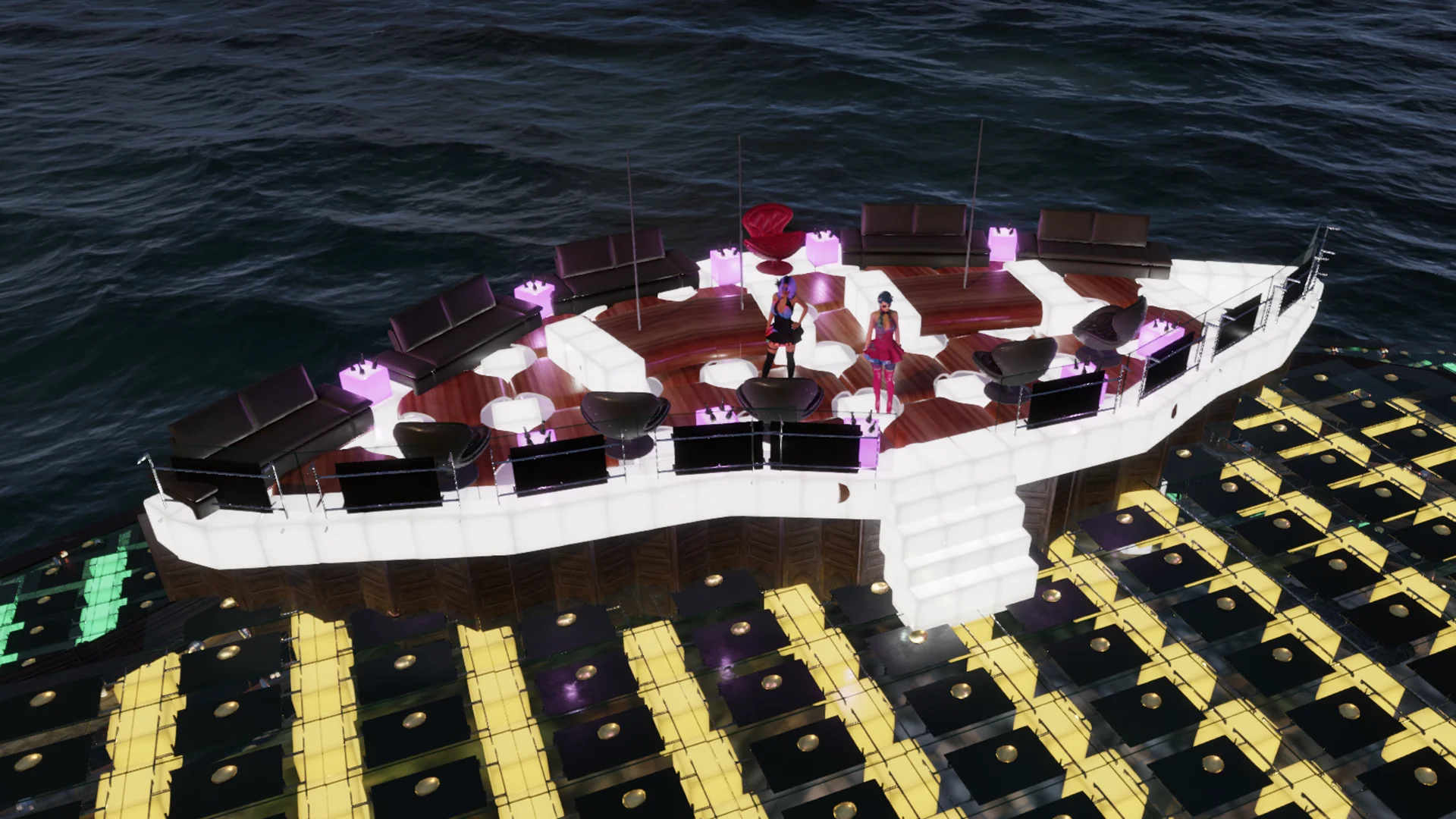
Bookshelves were no longer just storage. They became walls. Screens were arranged into partitions. Tables were stacked and aligned to form floors. Even deck chairs found new purpose, repurposed into makeshift roofing. Entire environments began to emerge from objects that had never been intended for building at all.
Every element had to be placed individually. Builders had to rely on their eye, adjusting objects again and again to achieve something as simple as a straight line or a flat surface. What might take minutes with today’s tools could take hours back then. But for those early builders, the process itself became part of the craft.
Finding a Way Outside
The desire to build larger spaces quickly ran into a hard limitation. Both apartments were enclosed, and players always spawned inside them. There was no way to move the spawn point, so every build had to begin from within those small interiors.
One of the apartments included a small terrace. This became the first real gateway to expansion. Builders could step outside and begin constructing from there, using tables and other objects to extend the space outward. By carefully stacking items, they created makeshift stairs that allowed them to move beyond the immediate area of the terrace and into open space.
The second apartment did not offer this convenience. In that layout, players discovered that placing a light cube near a window allowed them to climb onto it and pass through the glass. This was not a designed feature but a quirk of the system, and it became another way to reach the outside.
Both methods led to the same result. Players were no longer confined to the original rooms. They could build outward into empty space, creating platforms, structures, and entirely new environments beyond the intended boundaries of the apartments.
Building Through Limitation
With such a limited set of objects, builders learned to see them in new ways. The same pieces were used repeatedly, each time serving a different purpose depending on how they were placed and combined.
Tables played a particularly important role. They were often used to create floors, but even this came with quirks. Two different types of tables were commonly used, and while they could look similar in a build, only one would reliably allow avatar movement when clicked. Builders had to learn through trial and error which surfaces actually worked.
This kind of knowledge became part of the craft. Building was not just about placing objects, but about understanding how the game responded to them.
When the Community Built Its Own Tools
Before the more advanced DLL tools appeared, some builders experimented with programs such as Cheat Engine to manipulate object placement directly through the game’s memory values. Moving objects vertically was an extremely slow and manual process. Builders would place an object in game, switch to the external tool, locate the correct positional values, and manually adjust coordinates one object at a time. Even placing a single item could take several minutes. Despite the difficulty, these experiments helped demonstrate just how much creative potential players saw in systems that had never been intended for full world building.
While the in-game systems remained limited, some players began extending the game in unofficial ways. By creating add-in DLLs, they introduced new capabilities that were not originally available.
These DLL tools added features such as copying and pasting objects, improved rotation across multiple axes, and less restrictive collision between objects. They also introduced vertical movement of objects, which proved to be a turning point. With vertical movement, builders could stack objects more effectively, create stairs, and fully explore spaces beyond the apartments.
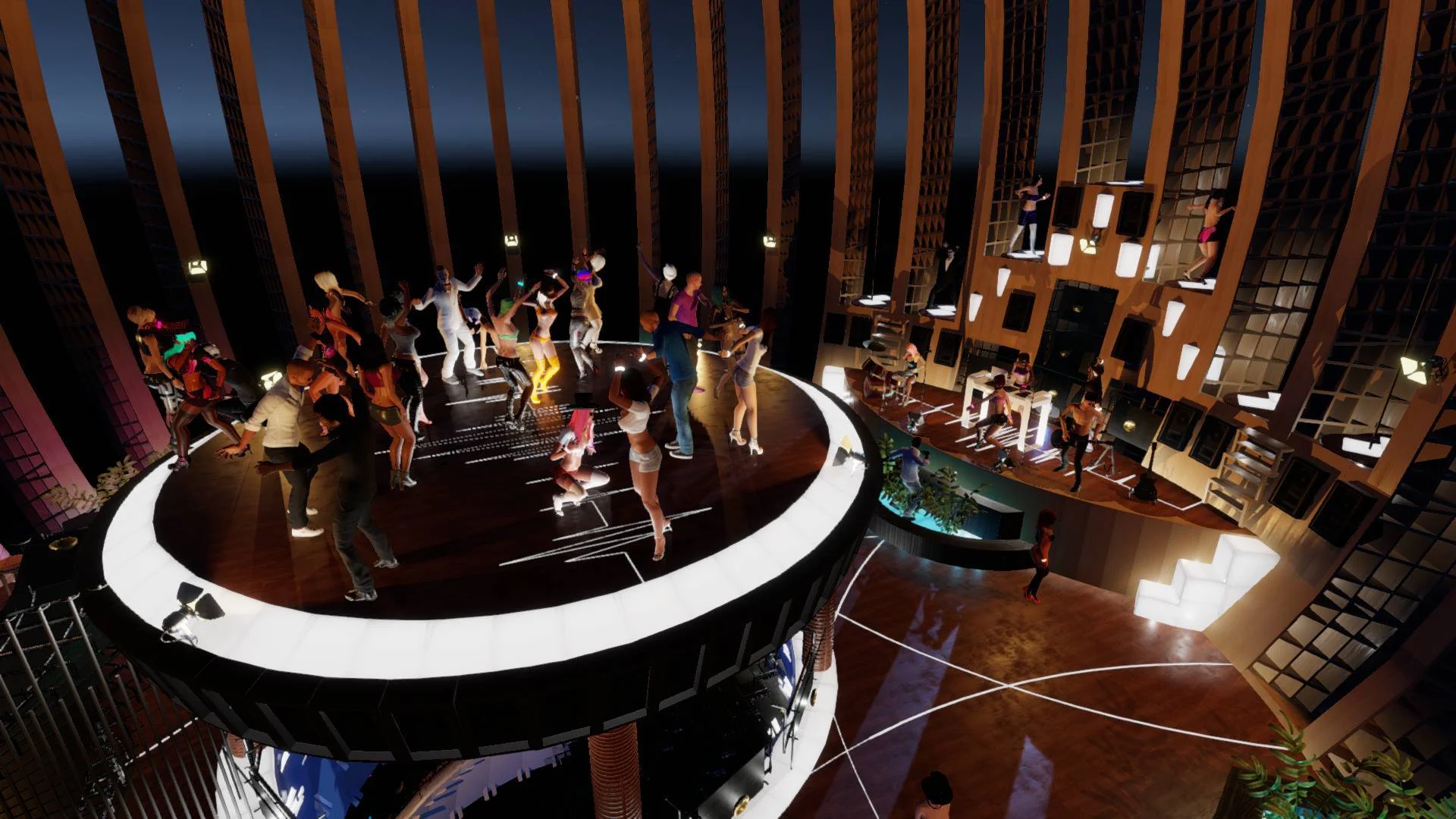
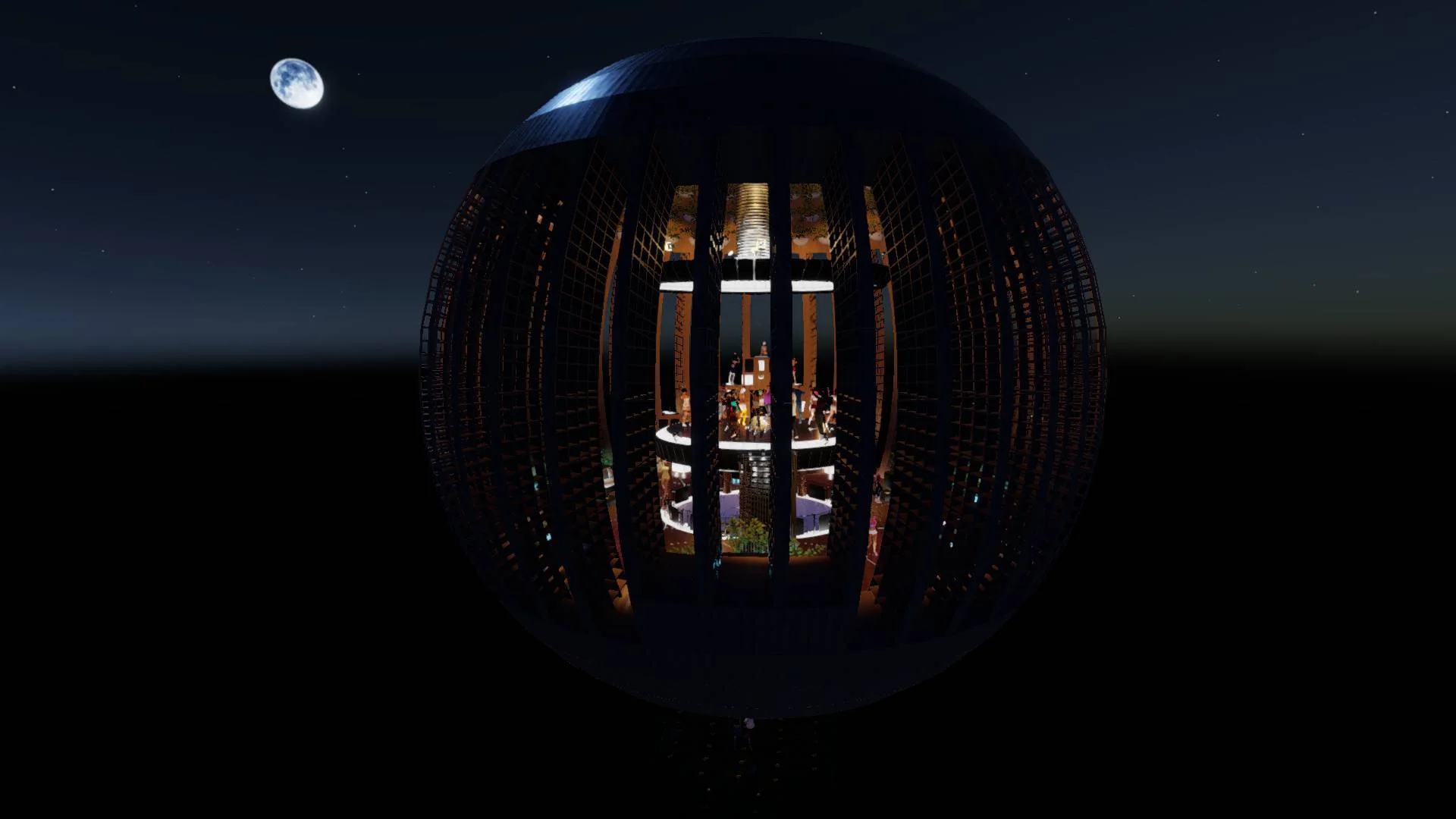
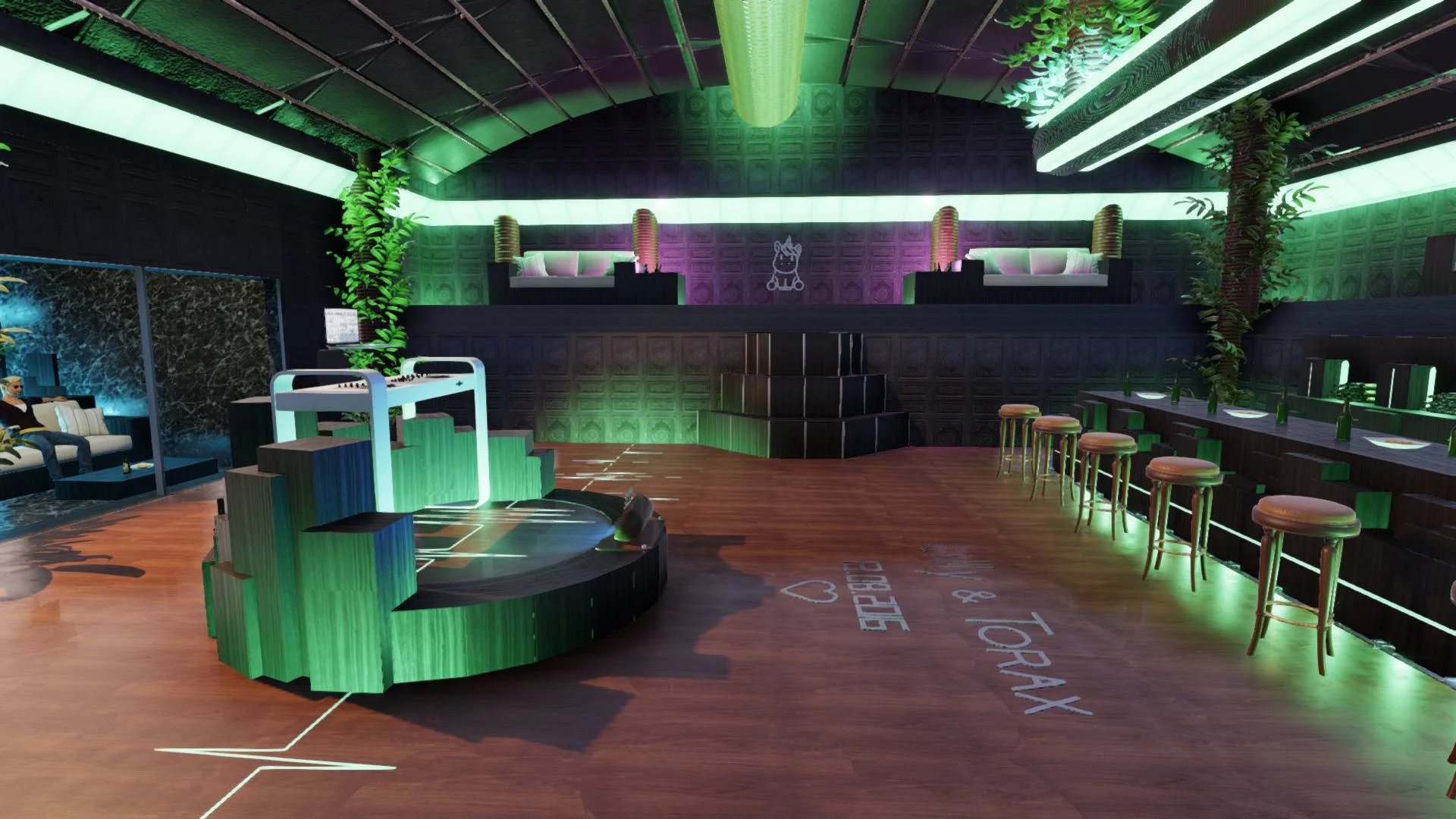
The impact of these tools was significant. They expanded what builders could do, revealed possibilities that the base game did not yet support, and even introduced new objects that were not part of the standard game, including items taken from locations such as the nightclub environment.
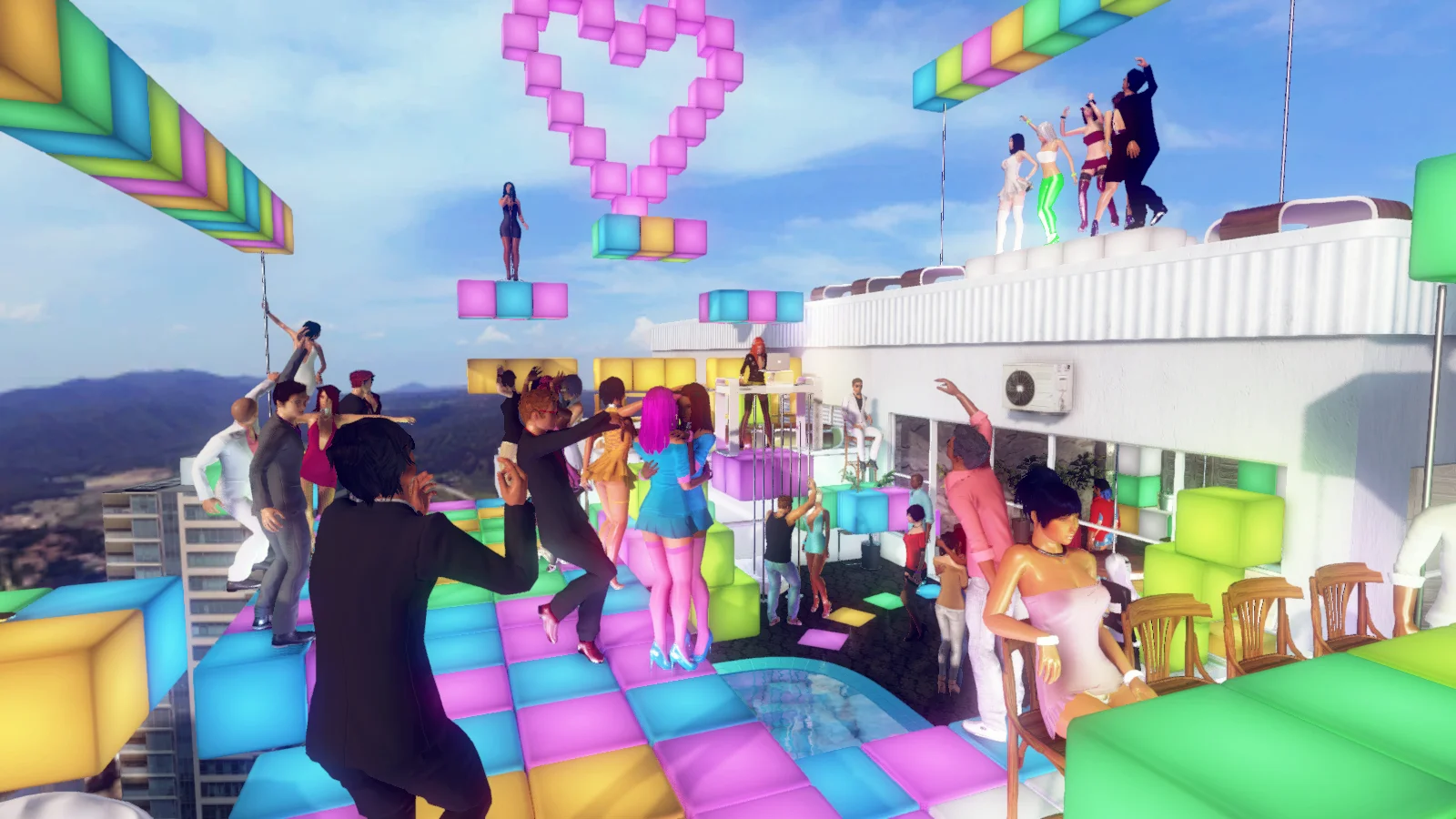
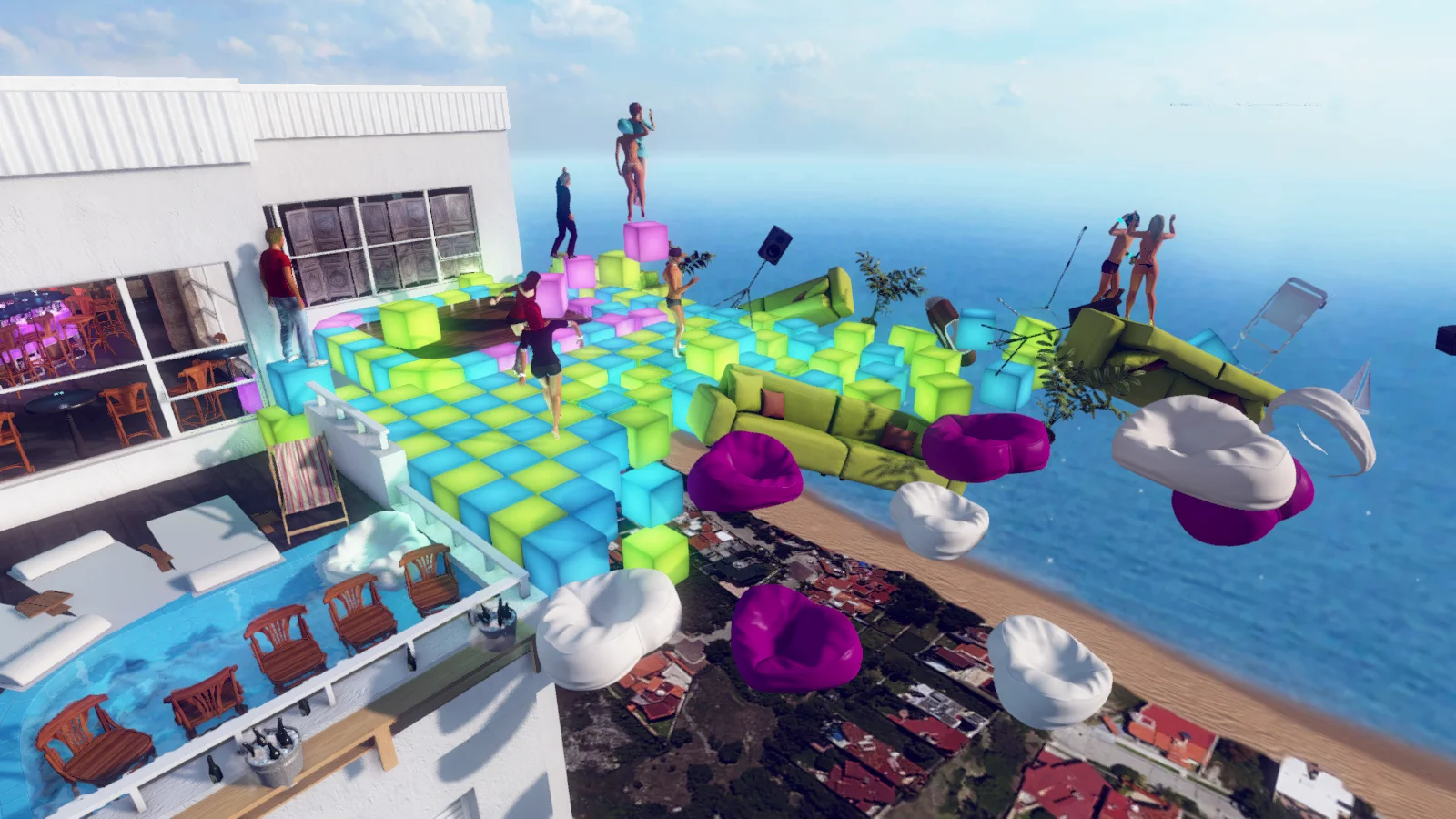
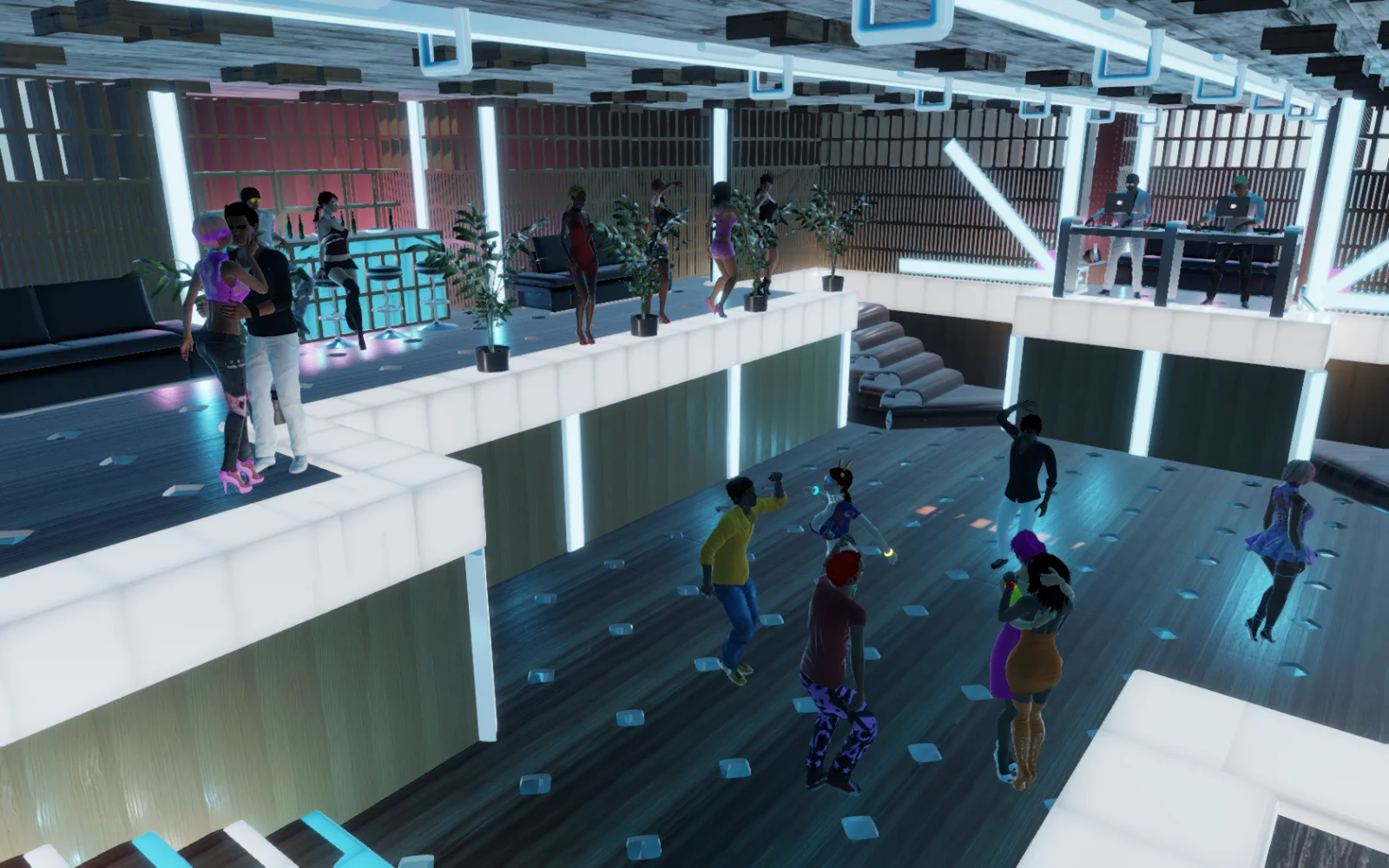
Another capability introduced through these DLL tools was the ability to create private instances of public locations. Builders were no longer restricted to apartments alone. Places such as the beach could now be opened as personal spaces and modified for events and custom environments. Players began experimenting with large scale social builds in these areas, including temporary structures such as piers, watchtowers, and themed party spaces. For many builders, this was the first glimpse of what 3DX could become once entire environments, rather than small apartments, were opened to player creativity.
What makes this period especially notable is how visible it became. The 3DX developers acknowledged this activity in subtle ways, even referencing it within the game itself. A "wanted" poster of a well-known DLL maker was even posted in the saloon. At the same time, they shared images of builds created using these methods on official channels, which led to debate within the community about whether such tools should be accepted.
From Experimentation to Official Tools
Many of the ideas explored during this period eventually found their way into the official game. Features that builders once had to create or install themselves gradually became standard parts of the experience. This evolution wasn’t abrupt, but it was significant. The informal experimentation of the community helped shape the direction of the tools that followed.
The transition to a 64-bit version of the game marked the end of this particular era. With it, the ability to use those modifications disappeared, and development moved fully into the hands of the official team.
When the World Editor was finally introduced on November 30, 2017, it represented a major shift. For the first time, players had access to a purpose-built system for creating their own environments, complete with tools designed to support precision, flexibility, and scale.
But the arrival of the editor wasn’t the beginning of building in 3DX. It was the continuation of something that had already been happening for years. By that point, the community had already learned how to build. They had already developed techniques, styles, and workflows. The tools simply caught up.
A World Built Before It Existed
Looking back, the early history of building in 3DX is not just a story of technical evolution, but of creativity under constraint. Players took a system that was never meant for construction and turned it into one anyway. They pushed against its limits, worked around its flaws, and, in doing so, defined what building in the game would eventually become.
The tools came later. The instinct to build was there from the beginning.
— 30 —
Fable (Keely)
It was fun to see how creative you could be to make things with a fraction of what we have now. For the next Lake update I will place a light cube in memoriam, because those are fond memories of rooms now lost and friends long departed.
Reply
Malvasia
It was truly another era ! Not all is lost and gone to oblivion though. I still got a working copy (with some quirks) of my last room from back then. Its the one in the first picture. And also in three pictures further down. I consider opening it for the public, one fine day; for nostalgic reasons :)
BossBear
Don’t wait. Do it!
Morgaine
Ahhh the memories. :)
Reply