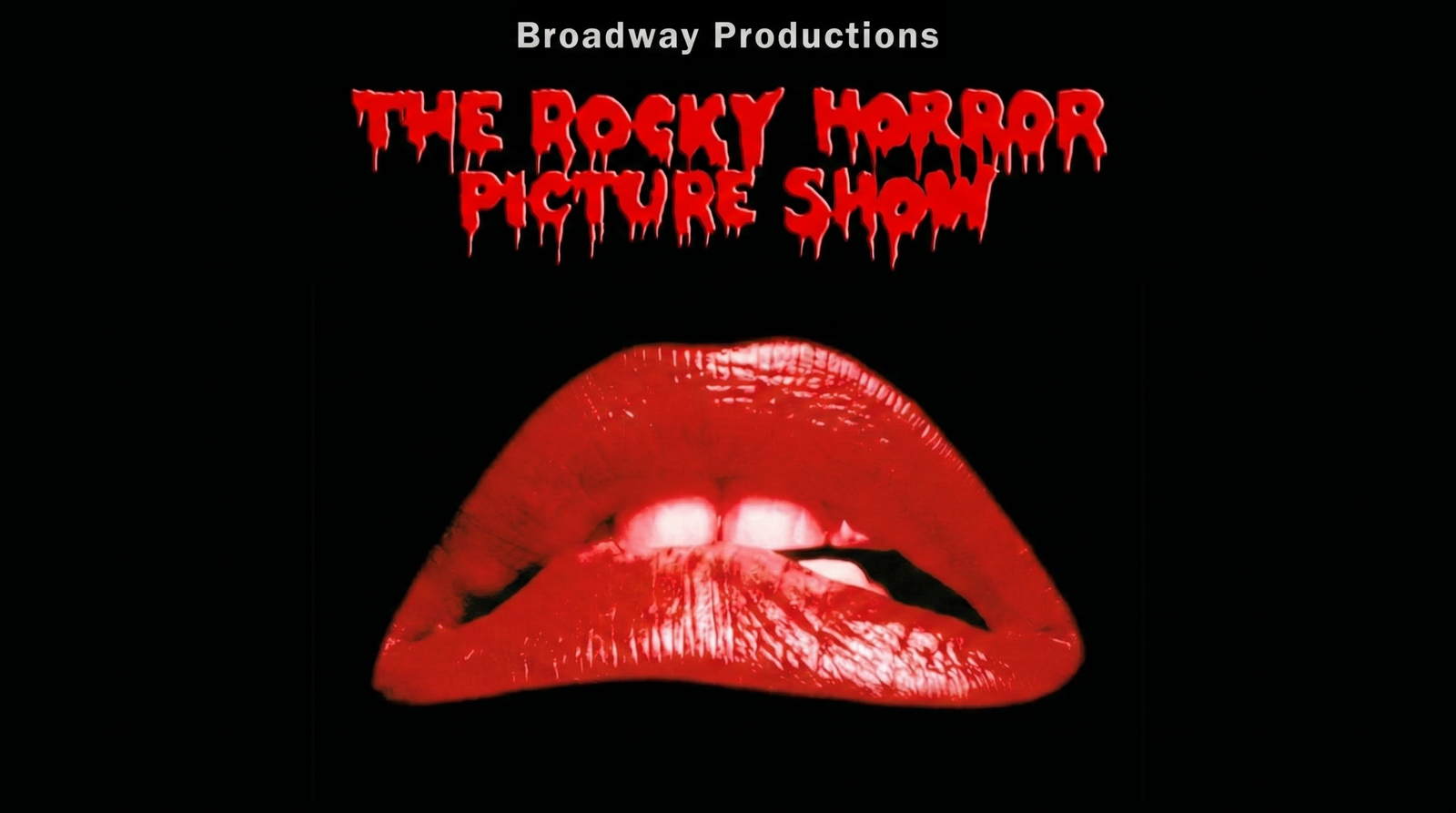
Rocky Horror Invades 3DX
By Curt Woodman
In July, the Broadway Productions Company will summon The Rocky Horror Picture Show into the glittering, unpredictable world of 3DX. And really, one can hardly imagine a more suitable stage. A place of reinvention, performance, and just the faintest hint of mischief… how perfectly appropriate.
What follows is not merely history. It is an invitation.
From Glam Rock Experiment to Cult Legend
Let us begin, as all good stories do, with a spark of rebellion.
In 1973, Richard O’Brien conjured The Rocky Horror Show from a delightful collision of science fiction, rock music, and deliciously questionable taste. It was never meant to behave. It was never meant to fit.
In 1975 it transformed into a movie, The Rocky Horror Picture Show… and something extraordinary happened.
Tim Curry stepped forward, laced himself into corsetry, and became Dr. Frank-N-Furter.
Not a role. Not a performance.
A presence.
Audiences, at first, did not quite know what to do with such an arrival. They watched politely. They sat still. They behaved.
How terribly dull.
A Quick Trip Through the Story
Our tale is presented by The Criminologist, a man of order, logic, and admirable restraint. He speaks as though the world makes sense.
It does not.
Into this carefully narrated account wander Brad Majors and Janet Weiss, a picture of innocence and convention. Their car fails them. The night betrays them. And fate, with exquisite timing, delivers them to a castle.
A castle where Dr. Frank-N-Furter resides.
Within those walls, reality loosens its grip. A creation named Rocky Horror is unveiled. Desire is encouraged. Curiosity is rewarded. And the household, guided by Riff Raff, Magenta, and Columbia, watches the transformation unfold with knowing eyes.
By morning, nothing remains untouched.
Least of all innocence.
More Than Camp
Beneath the glitter and deliberate absurdity, Rocky Horror carries real cultural weight.
At a time when mainstream media offered very little space for difference, it celebrated identity in all its forms. It explored gender, sexuality, and self expression in ways that felt bold, provocative, and liberating.
Dr. Frank-N-Furter became more than a character. For many, he became a symbol of unapologetic individuality.
The message that echoes through every performance remains simple and powerful.
Don’t dream it. Be it.
Meet the Usual Suspects
These are not characters.
They are forces.
- Dr. Frank-N-Furter commands attention with effortless magnetism, equal parts seduction and spectacle.
- Janet Weiss begins as restraint incarnate, only to discover that restraint can be… optional.
- Brad Majors clings valiantly to reason, though reason has already left the building.
- Riff Raff observes with eerie patience, while Magenta lingers with a quiet, knowing intensity.
- Columbia dances through delight and heartbreak in equal measure.
And above them all, The Criminologist continues his dignified narration, as though sheer professionalism might restore order.
It will not.
The Midnight Transformation
The film arrived. The audience remained composed.
For a time.
Then came the midnight showings.
Something shifted. A voice called out. Another answered. Laughter spread. Costumes appeared. The screen was no longer a boundary, but an invitation.
Soon, entire casts performed before the film. Audiences became participants. Participants became part of the ritual.
Rocky Horror was no longer contained.
It had escaped.
Talking Back Is Encouraged
Ah… now we reach the truly delicious part.
Rocky Horror is not watched in silence. It is challenged, teased, and lovingly disrupted. The audience speaks back. They always speak back. These interruptions, known as callbacks, are not mere jokes. They are tradition. A chorus of irreverence that follows the film wherever it dares to go.
And then, of course, there is The Criminologist.
So composed. So authoritative. So wonderfully interruptible.
His careful narration becomes a playground for the audience. Each serious line is met with mischief. Each pause is filled with delightfully inappropriate responses.
Authority meets anarchy… and anarchy wins.
Observe the ritual:
You see, participation is not encouraged.
It is inevitable.
Controversy, Queerness, and Cultural Shock
From its earliest days, The Rocky Horror Show and The Rocky Horror Picture Show did not exist comfortably within mainstream expectations. Its open embrace of queerness, sexual freedom, and gender fluidity placed it at odds with the cultural norms of the 1970s.
At the center of this tension stands Dr. Frank-N-Furter, a character who defies traditional categories entirely. Confident, seductive, and unapologetically fluid in both gender expression and desire, Frank challenged audiences in ways that were, at the time, both provocative and unsettling. For some viewers, this was liberating. For others, it was deeply controversial.
More…
The film’s content, which includes bisexuality, cross-dressing, and playful subversion of heterosexual norms, led to mixed reactions upon release. Critics often dismissed it as tasteless or shocking for its own sake. Certain venues refused to screen it, and some audiences rejected it outright.
Yet it was precisely these elements that resonated with others. For LGBTQ+ viewers, Rocky Horror offered something rare for its time: visibility, celebration, and a sense of belonging. It created a space where difference was not only accepted but performed with pride and theatrical flair.
Over time, what was once controversial became central to the film’s legacy. Rocky Horror did not simply reflect changing attitudes toward gender and sexuality. It helped shape them, providing a cultural touchstone for self-expression and identity.
Even today, its themes continue to spark discussion. For some, it remains a bold celebration of freedom. For others, it raises questions about representation, consent, and evolving cultural perspectives.
What is certain is that Rocky Horror has never been neutral. It provokes, challenges, and invites audiences to confront ideas that are still, in many ways, unfolding.
A Dance That Refuses to Sit Still
And then… the moment arrives.
The Time Warp.
A dance that has outlived decades, fashions, and all reasonable explanation. It begins simply enough. A step. A turn. A gesture.
And suddenly, you are part of it.
Resistance, at this point, is largely symbolic.
Bringing the Madness to 3DX
And now, the curtain rises once more.
3DX, a world where identity is crafted, discarded, and reinvented at will. A stage where appearance is performance and presence is power.
How could Rocky Horror resist such a setting?
When the Broadway Productions Company opens the show in July, the spirit of every midnight screening will glide in alongside it, dressed to impress and entirely unwilling to behave.
You will not be asked to participate.
You will find that you already are.
Final Thoughts
For decades, Rocky Horror has whispered to its audience, coaxing them beyond hesitation and into something far more interesting.
Now, it calls again.
So tell me…
Will you remain in the shadows…
…or step into the spotlight and finally give yourself over to absolute pleasure?
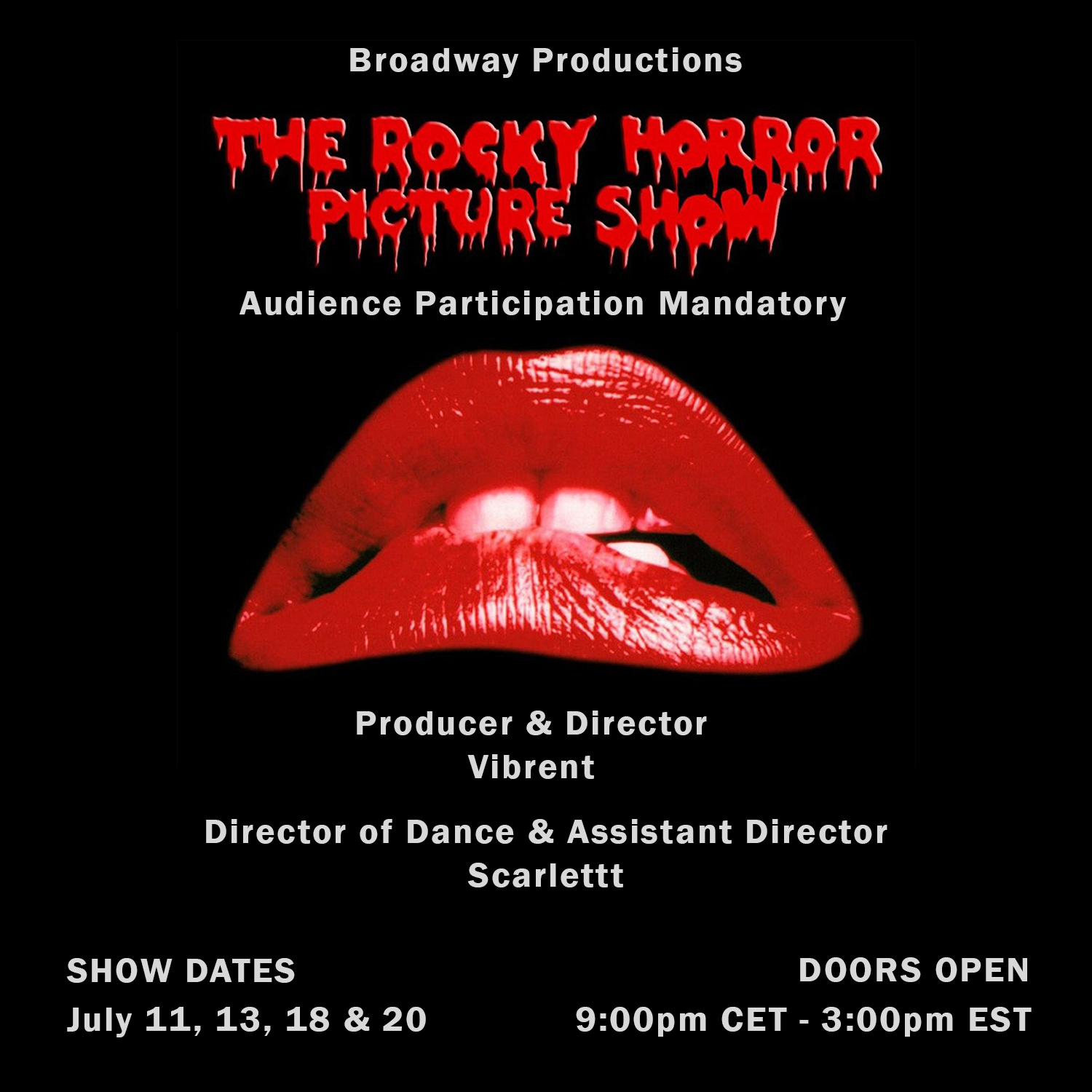
With special thanks to The Broadway Productions Company
Wonderfully written article. The Rocky Horror Picture Show didn’t receive a single Oscar nomination, yet it has been in theaters for over 50 years and still has a presence today. The show has been featured on Broadway and stages across the world. I love the acting and feel it’s a shame such incredible talent wasn’t recognized back then.